Internal Linking Strategies That Boost Rankings
Internal linking is one of the most powerful yet underused SEO techniques. While most businesses focus on keywords, backlinks and content creation, internal links quietly shape how search engines understand your website.
When implemented correctly, they improve crawlability, strengthen topical authority and help your most important pages rank higher. This guide explores the strategies, structures and best practices that make internal linking a reliable driver of organic growth.
Article Sections
- Why internal linking matters for higher Google rankings
- How internal linking improves website SEO performance
- Internal linking best practices for beginners
- Building a strong internal linking structure
- Topic clusters as an internal linking strategy
- Anchor text optimisation for internal links
- Using internal links to boost high‑value pages
- Internal linking for long‑tail keywords
- Improving crawlability with smart internal linking
- Advanced internal linking strategies
- Tools to improve internal linking
- Common internal linking mistakes to avoid
- Internal linking audit checklist
- Conclusion
Why internal linking matters for higher Google rankings
Internal links are hyperlinks that connect one page on your website to another. They help users navigate your site, but their real value lies in how they guide search engines. Google uses internal links to discover new pages, understand relationships between topics and distribute authority across your site.
A strong internal linking strategy improves crawl efficiency, ensures important pages are indexed and helps Google interpret which pages matter most. When your internal links are structured with intent, they become a ranking lever that requires no additional budget and delivers long‑term results.
How internal linking improves website SEO performance
Internal links influence several core SEO factors. They help Google crawl your site more effectively by providing clear pathways between pages.
They also distribute PageRank, the underlying measure of authority that still influences rankings today. When high‑authority pages link to weaker or newer pages, they pass value that helps those pages rank faster.

Internal links also reinforce topical relevance. When multiple pages link to a central topic, Google recognises that your site has depth and expertise in that area. This is essential for building topical authority, which has become a major ranking factor in modern SEO.
Internal linking best practices for beginners
Internal linking does not need to be complicated. A few foundational practices can dramatically improve your site’s performance.
Use descriptive, relevant anchor text that reflects the topic of the page you are linking to. Place internal links within the main body content rather than footers or sidebars, as contextual links carry more weight.
Ensure every important page receives internal links from other relevant pages. Avoid excessive linking on a single page, as too many links dilute value and confuse both users and search engines.
These simple practices create a strong foundation for more advanced strategies.
Building a strong internal linking structure
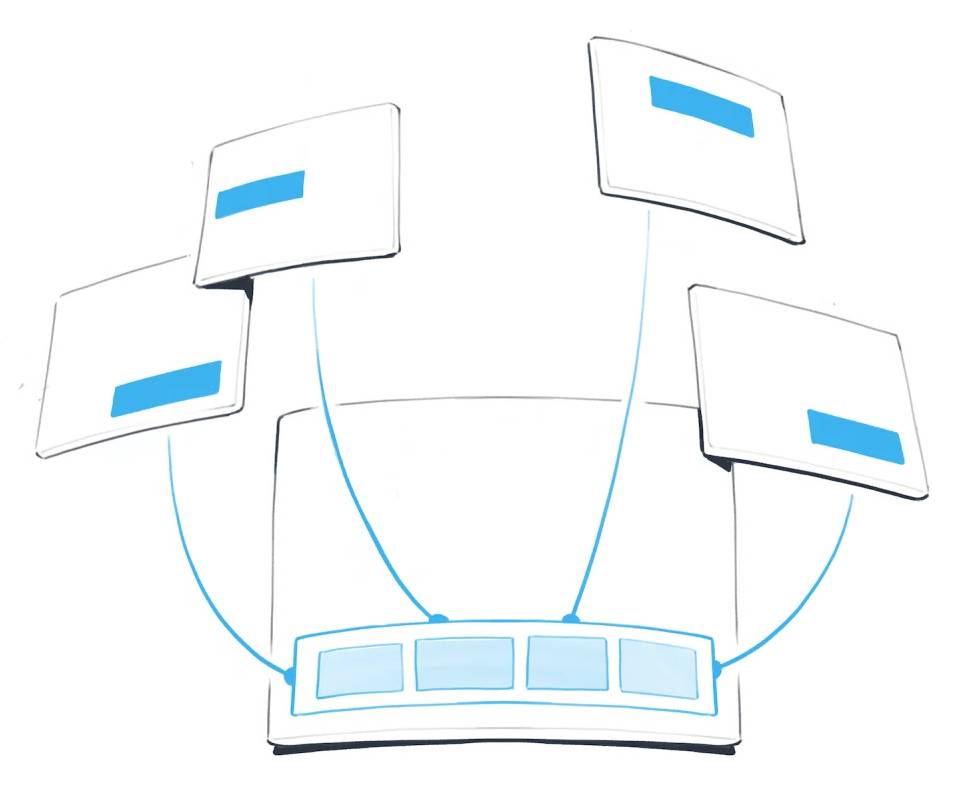
Your internal linking strategy is only as strong as your site architecture. A flat structure, where most pages are accessible within a few clicks from the homepage, is ideal. Deep structures bury important content and make it harder for search engines to crawl.
A clear hierarchy helps Google understand how your content fits together. Categories should group related topics, and each category should contain supporting pages that link back to the main hub. This structure improves both user experience and search engine clarity.
Topic clusters as an internal linking strategy
Topic clusters are one of the most effective ways to organise internal links. A topic cluster consists of a central pillar page supported by multiple related articles. Each supporting article links back to the pillar page, and the pillar links out to each supporting article.
This creates a tightly connected network of content that signals depth and expertise. Topic clusters help you rank for competitive keywords by building authority around broader themes. They also improve user navigation by grouping related information in a logical way.

Anchor text optimisation for internal links
Anchor text is the clickable text used in a hyperlink. For example, in the image above, the term lolly wall hire in Perth is the anchor text. It is typically underlined and a different colour to the unlinked text around it. Anchor text plays a significant role in helping Google understand the context of the linked page. Effective anchor text is descriptive, natural and relevant to the content it points to.
Use a mix of exact match, partial match and semantic variations to avoid over‑optimisation.
Avoid generic anchors such as “click here” or “read more,” as they provide no context. Instead, use anchors that reflect the topic or keyword of the destination page. This improves relevance and strengthens your internal linking signals.
Using internal links to boost high‑value pages
Not all pages are equal. Some pages drive conversions, attract leads or target high‑value keywords. Internal links can be used strategically to elevate these pages.
Identify pages with strong authority, such as those with external backlinks or high traffic. Link from these pages to your priority pages to pass authority and improve rankings. When publishing new content, include internal links pointing to your key pages to accelerate indexing and ranking.
This approach ensures your most important pages receive the support they need to perform well.
Internal linking for long‑tail keywords
Long‑tail keywords often have lower competition and higher conversion potential. Internal links help these pages rank by reinforcing their relevance and connecting them to broader topics.
Use semantic anchor text that reflects the long‑tail phrase or its variations. Link from broader, higher‑authority pages to these more specific pages.
This helps Google understand the relationship between general topics and detailed subtopics, improving visibility for both.
Improving crawlability with smart internal linking
Crawlability is essential for SEO. If Google cannot find or crawl your pages, they cannot rank. Internal links play a major role in ensuring your content is accessible.
Identify and fix orphan pages, which are pages with no internal links pointing to them. Use HTML sitemaps to provide an additional crawl path. Ensure that every new page is linked from at least one relevant existing page. These steps help Google crawl your site more efficiently and index your content faster.
Advanced internal linking strategies
Once the basics are in place, advanced techniques can further enhance your internal linking structure.
The hub‑and‑spoke model expands on topic clusters by creating multiple layers of interconnected content. Modern link sculpting focuses on directing authority to priority pages without manipulating search engines. Breadcrumb navigation adds contextual links that improve both user experience and crawlability.
These strategies help large or complex websites maintain clarity and authority across thousands of pages.
Tools to improve internal linking
Several tools can help you audit and optimise your internal links. SEO platforms can identify orphan pages, broken links and opportunities for new internal links. Content management plugins can suggest internal links as you write. Analytics tools can track how internal links influence user behaviour and engagement.
Using these tools ensures your internal linking strategy remains consistent and scalable.
Common internal linking mistakes to avoid
Internal linking mistakes can weaken your SEO efforts. Over‑optimising anchor text can appear manipulative. Linking to irrelevant pages confuses both users and search engines. Adding too many links on a single page dilutes authority and reduces clarity.
Avoiding these mistakes ensures your internal linking strategy remains natural, effective and aligned with best practices.
Internal linking audit checklist
A structured audit helps you maintain a healthy internal linking system. Review your site for orphan pages, broken links and pages with insufficient internal links.
Identify high‑authority pages and ensure they link to priority content. Check anchor text diversity and ensure links are placed within meaningful content.
Regular audits keep your internal linking strategy aligned with your SEO goals.
Conclusion
Internal linking is one of the most accessible and impactful SEO strategies available. It improves crawlability, strengthens topical authority and helps your most important pages rank higher.
By implementing a clear structure, using descriptive anchor text and supporting high‑value pages with strategic links, you create a site that is easier for both users and search engines to navigate.
A strong internal linking strategy compounds over time, making it one of the most reliable ways to improve organic performance.